Recognize Signs of Wear and Tear on Concrete Surfaces
Concrete is a durable building material, but it can still suffer from damage over time. Identifying issues early can save you money and prevent further deterioration. This guide will help you recognize various types of damage that indicate the need for professional repair services. Whether you’re dealing with minor cracks or significant structural concerns, understanding these signs is crucial for effective maintenance.
Assessing Surface Cracks
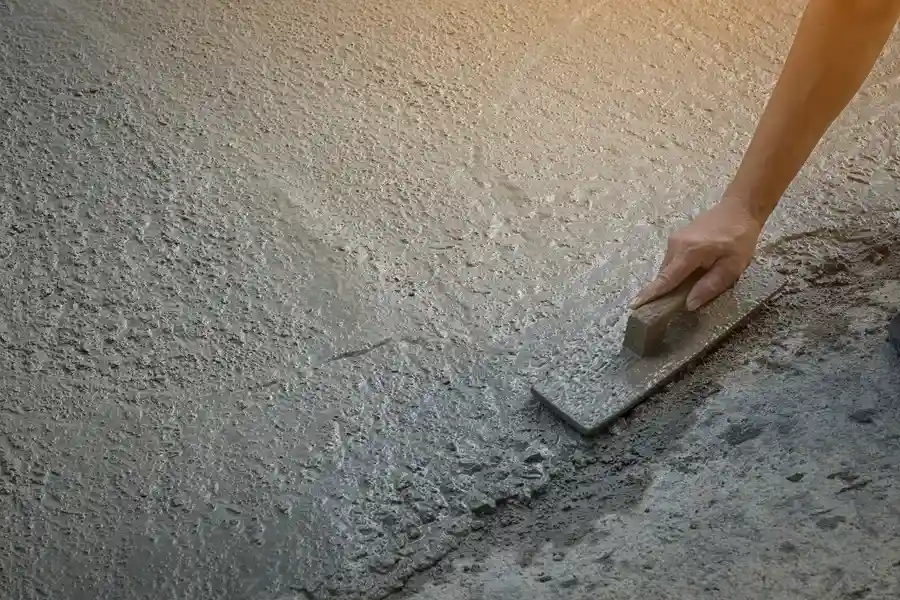
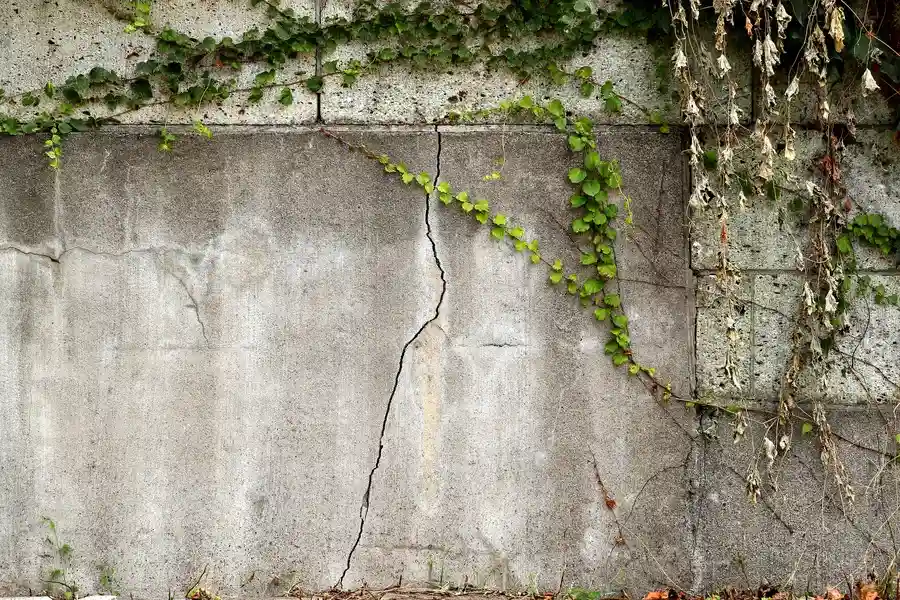
Surface cracks are among the most common signs of concrete damage. Small cracks might seem like mere cosmetic issues, but they can expand and lead to serious problems if ignored. To determine whether a crack requires attention, consider its width and depth. Generally, any crack wider than a quarter-inch should be evaluated by an expert in concrete repair.
Evaluating Discoloration
Discoloration on concrete surfaces often indicates damage beneath the surface. Stains from water, rust, or chemical exposure might appear harmless initially, but they can signal underlying issues. If you notice uneven color patterns or persistent stains, it may be time to consult with a specialist for potential concrete repair solutions.
Spotting Spalling and Scaling
Spalling occurs when the surface of the concrete peels or crumbles away. This condition can affect not only aesthetics but also structural integrity. Scaling, which involves the gradual loss of surface mortar, presents similar concerns. Both spalling and scaling require immediate attention to prevent more extensive damage. A thorough inspection will help determine the extent of necessary repairs.
Checking for Uneven Surfaces
Uneven surfaces can result from settling soil or improper installation. These variations may cause tripping hazards and impact usability. Over time, neglected unevenness could worsen, leading to larger cracks or breaks. Regularly inspecting your concrete for levelness ensures early detection of potential problems.
Identifying Rust Stains
Rust stains usually occur near reinforced steel within concrete structures. The presence of rust signals that moisture has reached the metal components, potentially compromising the structure’s stability. Addressing this issue quickly minimizes the risk of extensive damage and extends the lifespan of your concrete installations.
Recognizing Water Pooling Issues
Poor drainage can lead to water pooling on concrete surfaces. Standing water accelerates wear and increases the likelihood of freeze-thaw cycles, exacerbating existing damage. Ensuring proper grading around your property helps prevent water accumulation and protects your investment in concrete features.
Understanding Freeze-Thaw Cycles
The freeze-thaw cycle is a major factor contributing to concrete deterioration in colder climates. When water enters cracks, it expands upon freezing, exerting pressure that widens gaps. Repeated cycles can cause significant structural harm. Monitoring for changes after seasonal shifts allows timely interventions to preserve the integrity of your concrete.
- Inspect regularly for surface cracks wider than a quarter-inch
- Note any discoloration or unusual staining patterns
- Look out for signs of spalling or scaling
- Ensure all areas remain level without unexpected dips or rises
- Check for rust stains indicating possible reinforcement corrosion
- Avoid water pooling through adequate drainage systems
- Be vigilant about effects from freeze-thaw cycles
Take Action Now to Protect Your Investment
If you’ve noticed any of these signs on your concrete surfaces, it’s essential to act promptly. Ignoring these indicators can lead to costly repairs down the line. At ACR Concrete Service LLC, we specialize in assessing and repairing all types of concrete damage. Our team is based in Homestead, FL and ready to provide expert service tailored to your needs. Give us a call at (786) 305-7719 today to schedule a consultation and protect your investment.